
Favorite Tools for Basement Demolition and Remodeling Tasks
Browse trusted tools and equipment that support effective basement demolition and prepare the space for your next project.
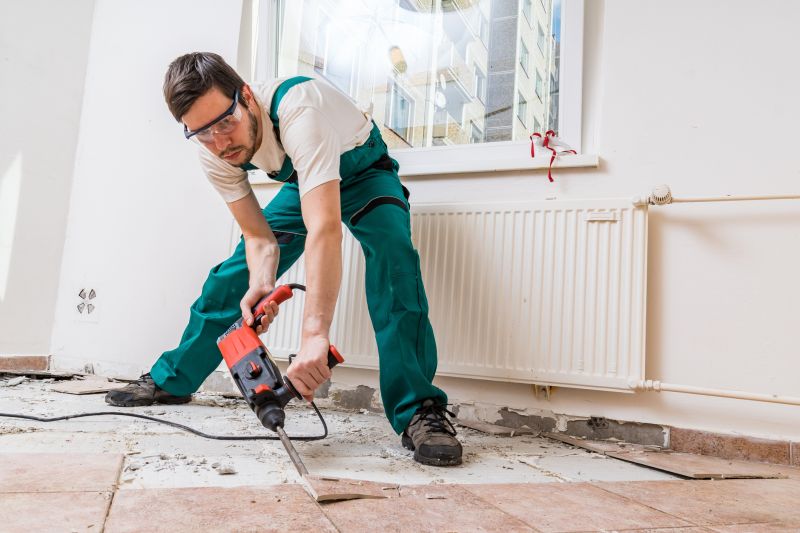 Undertaking a basement demolition requires a strategic approach and the right set of tools to ensure safety and efficiency. The process often involves removing walls, flooring, and structural elements that are no longer needed or are obstructing renovation plans. Selecting appropriate products can make the demolition smoother, safer, and more manageable, especially for DIY enthusiasts or professional contractors. From heavy-duty demolition tools to protective gear, the right equipment helps minimize risks and improve overall results.
Top Overall Option
Heavy-Duty Demolition Hammer
A versatile demolition hammer offers powerful impact capability for breaking through concrete, brick, and other hard materials commonly found in basement structures. Its robust construction and adjustable settings allow for controlled operation, making it suitable for various demolition tasks. Designed for durability, this tool helps users tackle tough materials efficiently while maintaining safety standards. Its ergonomic design reduces user fatigue, enabling longer work sessions with less strain.
Types of Products For Basement Demolitions
Reciprocating Saws
Ideal for cutting through drywall, wood, and metal components with precision and ease.
Sledgehammers
Traditional manual tool perfect for breaking up concrete, brick, and other heavy materials.
Crowbars and Pry Bars
Useful for prying apart structures and removing nails or fasteners.
Dust Masks and Respirators
Protects against dust and airborne particles during demolition work.
Safety Goggles
Provides eye protection from flying debris and dust.
Heavy-Duty Work Gloves
Ensures hand safety and improved grip during manual demolition.
Power Jackhammers
Heavy equipment for breaking through thick concrete slabs or foundations.
Wheelbarrows and Debris Carts
Facilitates debris removal and transportation around the workspace.
Heavy-Duty Trash Bags
Designed for collecting and disposing of demolition debris safely.
Dust Extraction Attachments
Helps contain dust and debris generated during cutting and breaking tasks.
Electric Cutters
Electric-powered tools for slicing through various materials with precision.
Concrete Mixers
Useful for preparing new concrete or patching after demolition.
Lifting Straps and Hoists
Assist in lifting and removing heavy structural components safely.
Utility Knives
Ideal for scoring drywall or cutting insulation materials.
Hammer Drills
Powerful drills capable of drilling into concrete and masonry.
Extension Cords and Power Strips
Ensure sufficient power supply for multiple electric tools.
Portable Lighting
Provides adequate illumination in dark or poorly lit basement areas.
Popular Choices
Offers mobility and ease of use for cutting through various materials.
A staple manual tool for breaking concrete and masonry.
Combined protective gear for comprehensive safety during demolition.
Provides powerful impact for breaking through tough surfaces.
Enhances hand safety and grip during manual tasks.
Essential for debris collection and disposal.
Ensures visibility in dark basement environments.
Versatile for prying apart structures and removing fasteners.
Helps contain dust during cutting and breaking activities.
Designed for chipping and breaking concrete surfaces.
Useful for precise cuts in metal or drywall.
Assist in safely lifting heavy structural components.
Handy for scoring drywall and cutting insulation.
Ensure power availability for multiple electric tools.
Provides foot protection during heavy demolition work.
Facilitates organized debris collection on-site.
Protects hearing during loud demolition activities.
Before starting a basement demolition, it is essential to assess the scope of work and identify the materials involved. Concrete, drywall, wood framing, and electrical components each require specific tools and techniques for removal. Proper planning includes securing permits if necessary, turning off utilities, and preparing the workspace to prevent accidents. Having a well-curated set of products tailored for basement demolition can facilitate a more organized and effective process.
Safety remains a top priority during demolition projects. Protective gear such as gloves, goggles, masks, and sturdy footwear helps safeguard against debris and dust. Power tools like jackhammers, sledgehammers, and reciprocating saws are commonly used for breaking through tough materials. Additionally, disposal solutions such as heavy-duty trash bags and debris containers are vital for maintaining a clean and hazard-free environment. Investing in quality tools and accessories can significantly impact the ease and safety of your basement demolition efforts.
Whether upgrading a finished basement or removing unwanted structures, choosing the right products tailored to your specific needs can streamline the process. Proper equipment not only enhances safety but also ensures that the work can be completed efficiently and effectively. Careful selection and preparation are key to transforming a basement demolition project from a daunting task into a manageable project, paving the way for successful renovation or space reorganization.
Key Buying Considerations
- Assess the types of materials you'll be demolishing to select appropriate tools.
- Prioritize safety gear such as gloves, goggles, and masks to protect against debris and dust.
- Consider the power source of tools—corded versus cordless—based on mobility needs.
- Evaluate the durability and build quality of manual tools like sledgehammers and pry bars.
- Ensure proper disposal solutions are available for debris management.
- Check for compatibility of power tools with your existing equipment and accessories.
- Think about the size and weight of tools for ease of handling and maneuverability.
- Look for adjustable settings on powered tools to control impact and cutting depth.
- Consider noise levels and the need for hearing protection during operation.
- Review the availability of replacement parts and accessories for long-term maintenance.
- Determine if additional lighting or extension cords are necessary for your workspace.
- Set a budget that balances quality and affordability without compromising safety.
- Read product reviews and ratings to gauge reliability and user satisfaction.
- Plan for safety training or tutorials if using advanced or unfamiliar equipment.
- Verify that tools meet safety standards and certifications relevant to your region.