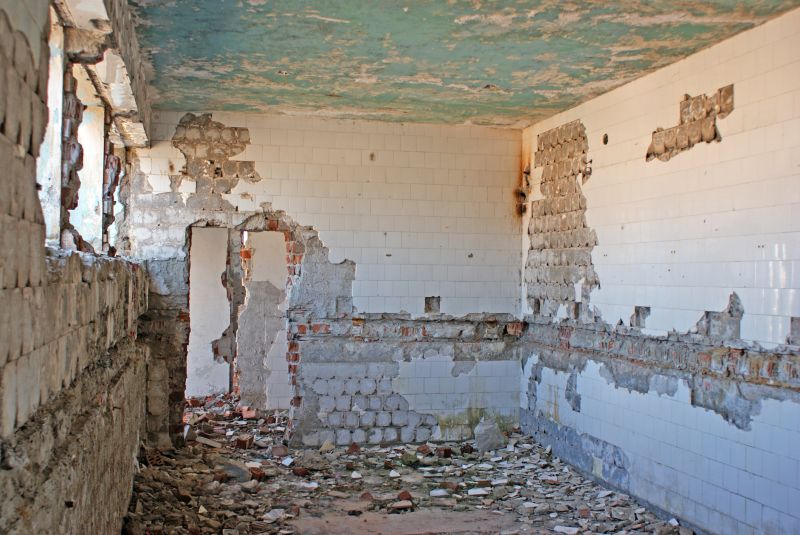
Room Demolition in Bergen County, NJ
Room demolition services involve the safe and efficient removal of interior walls, partitions, and other structures within a property. These services are commonly requested for projects such as creating open-concept living spaces, remodeling kitchens or bathrooms, or removing non-load-bearing walls to improve layout and functionality. Property owners should understand the scope of demolition, including what materials are involved, potential impact on existing structures, and any necessary preparations before work begins.
Before requesting room demolition, homeowners typically want to clarify which walls can be safely removed and whether any electrical, plumbing, or HVAC systems are affected. It’s important to consider the property's layout and structural elements to ensure that demolition does not compromise safety or stability. Understanding the process, potential dust and debris, and the timeline for completion can help property owners plan effectively for their renovation or remodeling projects.
Many property owners in Bergen County, NJ look into Room Demolition for repairs, replacements, upgrades, and appearance-related improvements.
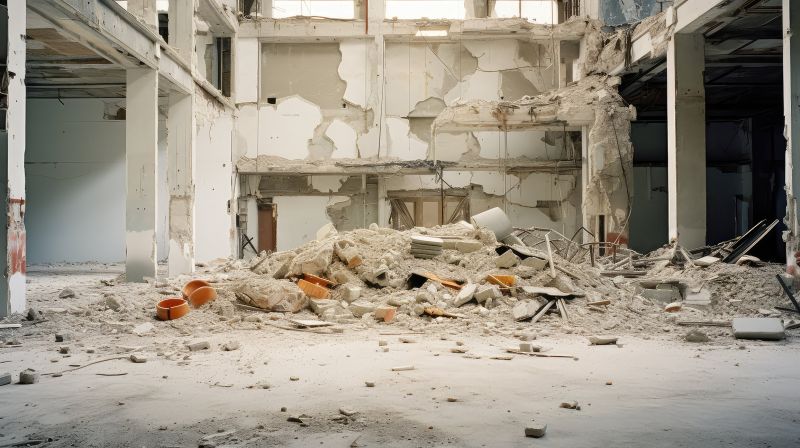
Interior Wall Removal
Removing interior walls can open up space and improve flow in bergen county homes.
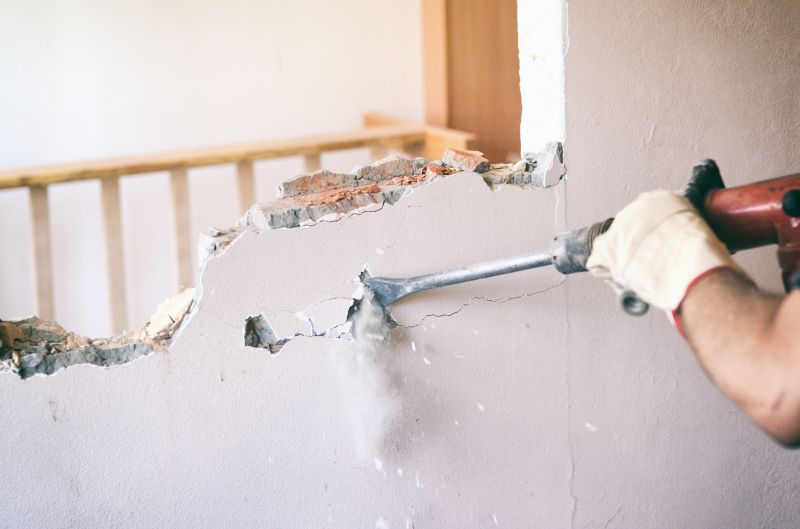
Room Renovation Demolition
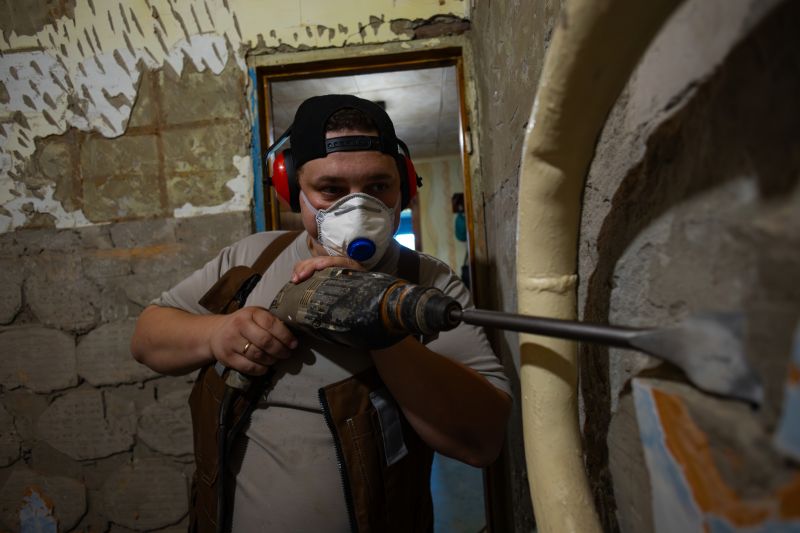
Demolition services prepare rooms for remodeling projects in residential and commercial properties.
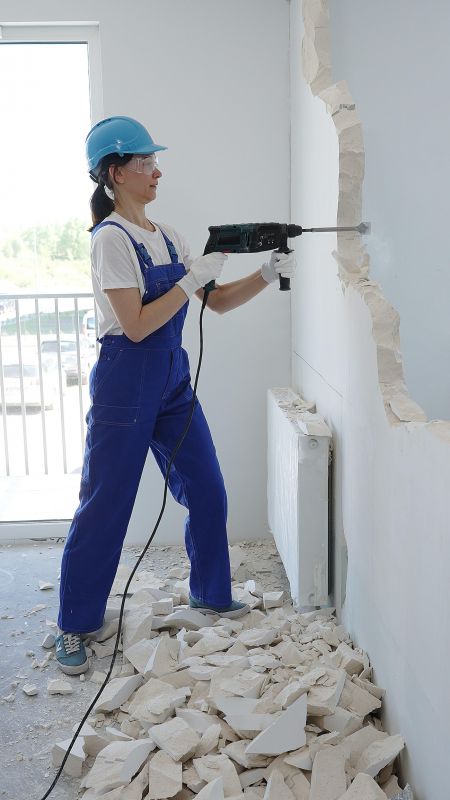
Partial And Complete Demolition
Partial or full room demolition helps create a fresh foundation for new layouts and designs.
Room Demolition in Bergen County, NJ
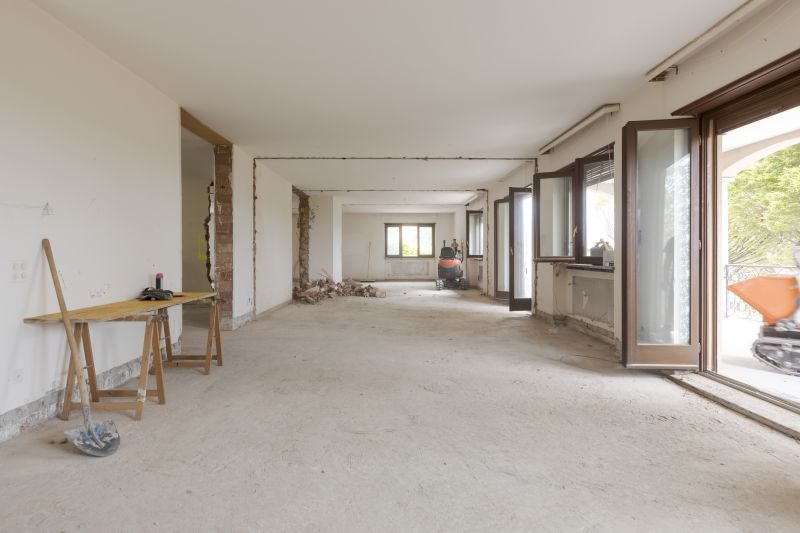
Room demolition services involve the safe and efficient removal of interior walls, partitions, and other structures within a property. These services are commonly requested for projects such as creating open-concept living spaces, remodeling kitchens or bathrooms, or removing non-load-bearing walls to improve layout and functionality. Property owners should understand the scope of demolition, including what materials are involved, potential impact on existing structures, and any necessary preparations before work begins.
Before requesting room demolition, homeowners typically want to clarify which walls can be safely removed and whether any electrical, plumbing, or HVAC systems are affected. It’s important to consider the property's layout and structural elements to ensure that demolition does not compromise safety or stability. Understanding the process, potential dust and debris, and the timeline for completion can help property owners plan effectively for their renovation or remodeling projects.
Many property owners in Bergen County, NJ look into Room Demolition for repairs, replacements, upgrades, and appearance-related improvements.
Common Room Demolition Jobs
Interior Room Demolition - removes walls, partitions, and fixtures to create open or redesigned spaces.
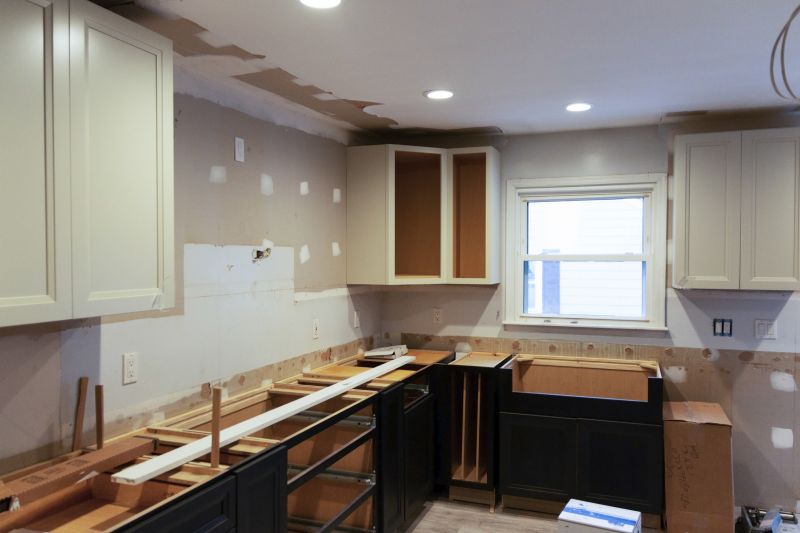
Kitchen Demolition - involves tearing out cabinets, countertops, and appliances for remodeling projects.
Bathroom Demolition - includes removing old fixtures, tiles, and cabinetry for updates or renovations.
Partition Wall Removal - takes down non-load-bearing walls to improve room flow and layout.
Ceiling and Floor Demolition - prepares spaces by removing outdated or damaged ceilings and flooring.
Complete Room Demolition - involves tearing down entire rooms for restructuring or property upgrades.
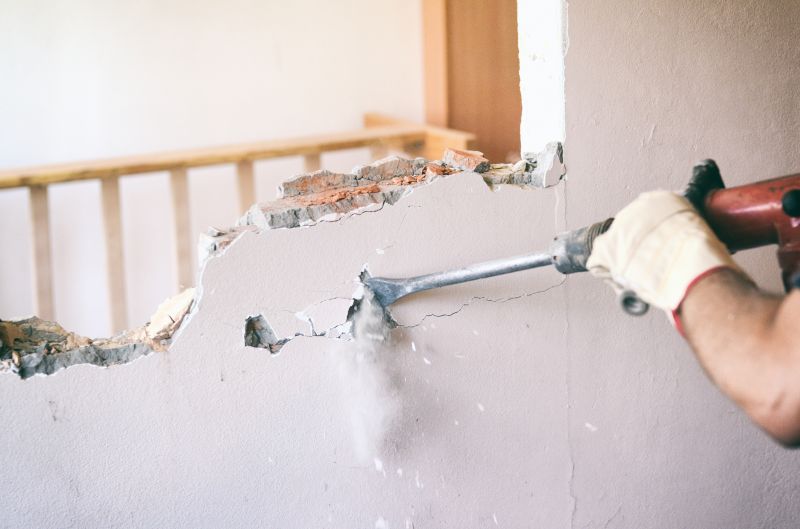
Room Demolition Questions
What types of rooms can be demolished? Interior rooms such as bedrooms, kitchens, and bathrooms are commonly demolished, along with non-structural partitions and walls.
Is room demolition safe for the rest of the property? Yes, proper planning and techniques ensure the surrounding areas are protected during demolition work.
What should be prepared before demolition begins? Clear the room of furniture, fixtures, and personal items to facilitate a smooth process.
Does room demolition require permits? Permit requirements vary by location; it's advisable to check local regulations before starting the project.
Request Room Demolition in Bergen County, NJ
Use the quote form on this page to share the basics of your project and request more information for the type of work you need.